
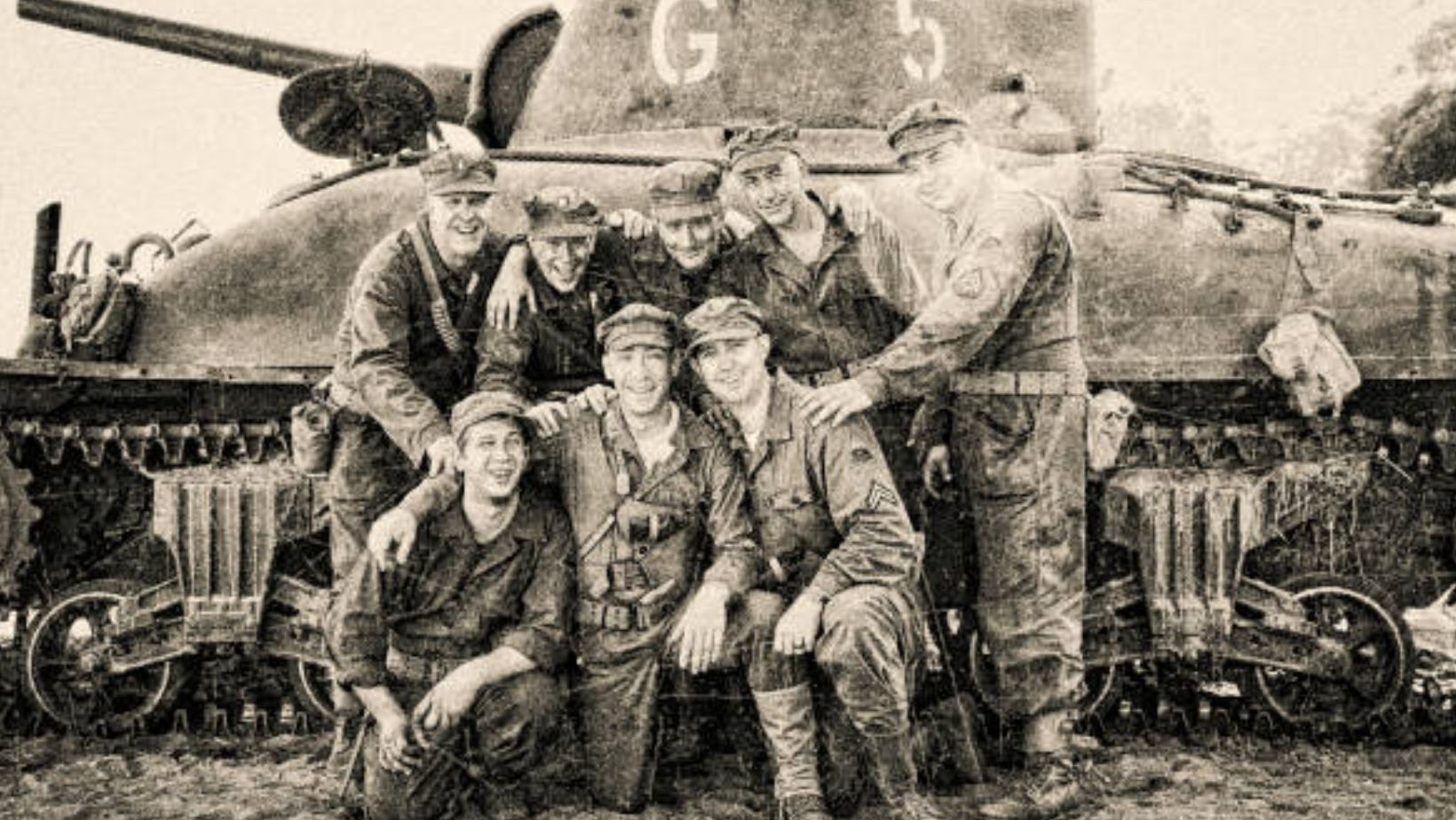
World War II shaped modern history, yet the people who lived through it are rapidly disappearing. As firsthand witnesses fade, the responsibility of preservation has shifted. Today, digital communities, online forums, archives, educational platforms, and shared experiences are becoming the new custodians of WWII memory.
For younger generations raised in a digital-first world, history must be accessible, interactive, and meaningful. That’s where online communities step in.
The Rise of Digital History Sharing
The internet has transformed how historical knowledge is shared and preserved. WWII history is no longer limited to textbooks or museum visits; it now lives across:
- Online discussion forums
- Dedicated history platforms
- Educational websites
- Social media communities
These digital spaces allow historians, educators, descendants, and enthusiasts to collaborate, debate, and document historical events together. Instead of passive learning, users actively participate, asking questions, sharing documents, and interpreting historical records.
This shift has democratized WWII history and made it more discoverable, especially for people encountering it for the first time.
Online Archives and Digital Preservation Projects
One of the most impactful contributions of digital communities is the creation of open-access archives. These platforms preserve primary sources that would otherwise remain inaccessible.
Common digitized materials include:
- Soldier letters and diaries
- Military service records
- Photographs and maps
- Oral histories from veterans and civilians
By digitizing artifacts, communities ensure that WWII documentation is protected from physical decay while becoming searchable and globally accessible. For students and researchers, this removes geographical and financial barriers to historical study.

More importantly, these archives humanize history, transforming large-scale military operations into personal, relatable stories.
Social Media and Interactive Communities
Social media has become an unexpected but powerful tool in WWII education.
Platforms like YouTube, Reddit, Instagram, and long-form blogs host:
- Mini-documentaries
- Veteran story breakdowns
- Battle analyses
- Artifact explanations
Instead of polished academic language, content is often conversational and visual, making complex topics easier to understand. Younger audiences engage through comments, discussions, and content sharing, creating ongoing historical conversations rather than one-time lessons.
These communities help WWII history feel alive rather than distant.
Educational Tools and Digital Learning
Digital learning tools are bridging the gap between traditional education and modern attention spans.
Examples include:
- Interactive timelines of WWII campaigns
- Virtual museum walkthroughs
- Animated battlefield maps
- Multimedia lesson plans for educators
These tools provide context, clarity, and immersion, helping learners understand not just what happened, but why it mattered.
For teachers and parents, digital resources also solve a key concern:
How do we keep students engaged with historical topics that feel far removed from their lives?
Digital platforms answer that by presenting WWII history in formats students already use daily.
Community-Driven Experiences and Events
While digital engagement begins online, it often leads to real-world connections.
Online WWII communities frequently inspire:
- Battlefield visits
- Historical reenactments
- Educational tours
- Group learning experiences
These shared experiences deepen understanding by placing people in the actual landscapes where history unfolded. For many enthusiasts, participating in immersive experiences, such as the Band of Brothers Tour, becomes a natural extension of the learning that began online.
Digital communities don’t replace physical history; they guide people toward it.
The Bridge Between Past and Present
One of the greatest strengths of digital WWII communities is their ability to connect generations.
- Older generations contribute memories, documents, and lived experience
- Younger generations contribute technical skills, platforms, and storytelling formats
Together, they create a shared historical ecosystem where memory is preserved collaboratively.
This matters because WWII history isn’t just about battles and dates; it’s about lessons, sacrifice, leadership, and resilience. Digital communities ensure those lessons remain relevant in a rapidly changing world.
Conclusion
As living memory fades, digital communities have become essential guardians of WWII history. Through archives, discussions, educational tools, and shared experiences, they ensure the stories of the war remain accessible, accurate, and meaningful.


