

Picture this: you’re enjoying a sunny day, maybe lounging poolside or hiking up a scenic trail, and suddenly, bam., a sharp pain hits you like an unexpected plot twist in your favorite movie. What’s going on? Chances are, you might be experiencing pielolitiase, better known as kidney stones. This pesky condition can turn your day upside down, but fear not, we’re here to unravel the mystery of kidney stones. In this text, we’ll dive deep into what pielolitiase is, why it happens, and how we can tackle it together. So, grab your favorite drink, preferably water, and let’s get started.
Pielolitiase
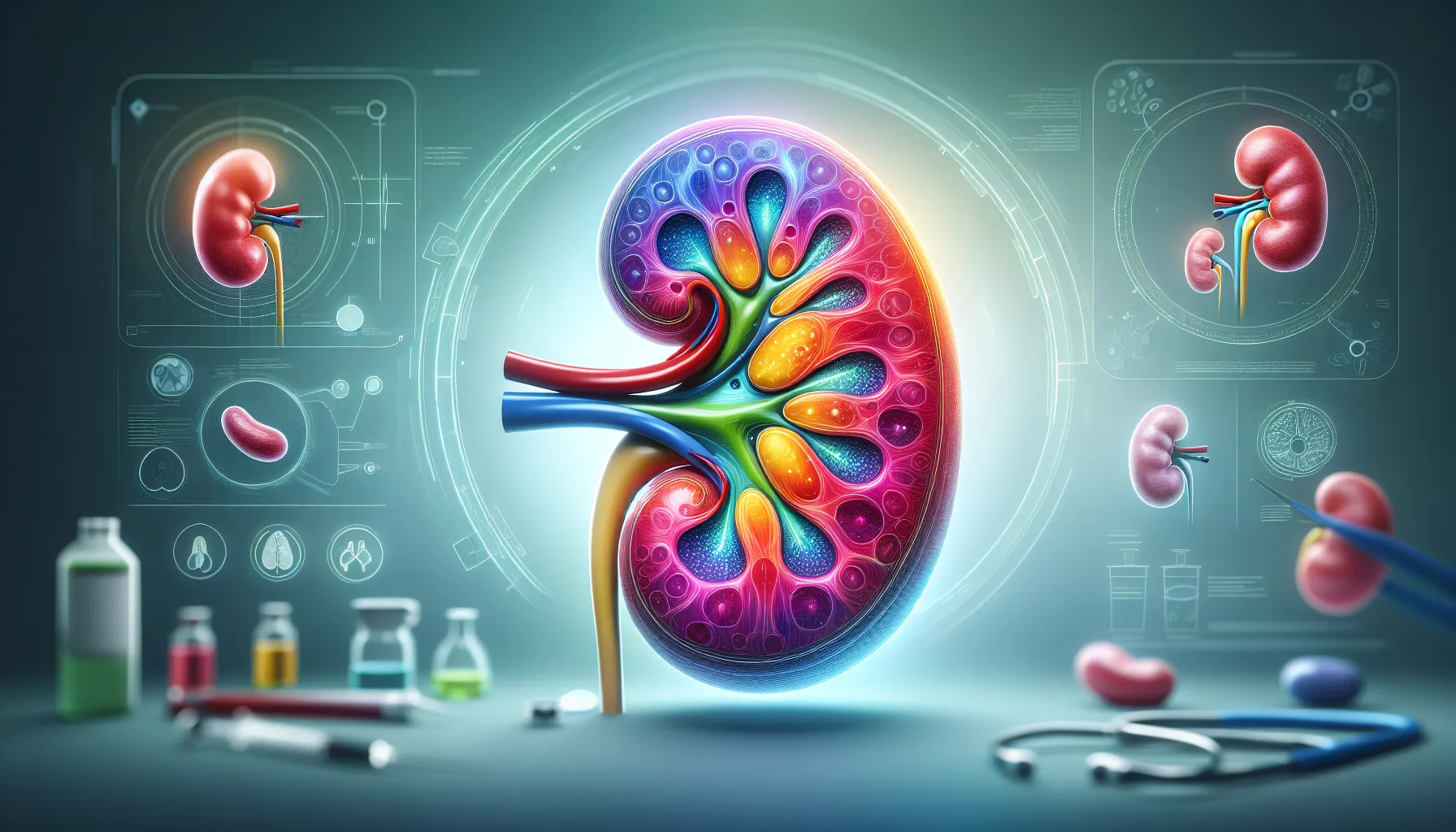
Pielolitiase refers to the formation of kidney stones, which are mineral and salt deposits that can develop in our kidneys. These stones can vary in size from tiny specks to large, jagged formations that can cause significant discomfort. When these stones move into our urinary tract, they can block the flow of urine and lead to severe pain, bleeding, and even infections. Understanding our kidneys’ role is essential here: they filter waste from our blood, and when they are bogged down by these stones, our bodies definitely tell us that something is wrong.
Causes and Risk Factors
So, what causes pielolitiase? Well, there’s no one-size-fits-all answer. Several factors can contribute to the formation of these pesky stones. Dehydration is a major culprit, we simply aren’t drinking enough water, which causes our urine to become concentrated with minerals. Diet plays a significant role too: high sodium and protein intake can increase the risk of stone formation. Also, certain medical conditions such as obesity, diabetes, and hypertension can make us more susceptible to kidney stones. Let’s not forget our genetic makeup, some of us might just have the unfortunate luck of inheriting a tendency to develop these stones.
Symptoms of Pielolitiase
Recognizing the symptoms of pielolitiase is crucial for prompt diagnosis and relief. We often experience intense pain in our lower back or sides, which can radiate to the abdomen and groin. This pain typically comes in waves and can be accompanied by nausea or vomiting. Also, we might notice changes in our urination, including blood in the urine or a burning sensation while urinating. If we ever experience fever or chills, it’s important to seek medical attention immediately, as it could indicate an infection, a potential complication of kidney stones.
Diagnosis of Kidney Stones
If we suspect we have pielolitiase, the first step is to consult a healthcare provider. They will likely perform a physical exam and take our medical history. To confirm the presence of kidney stones, imaging tests such as ultrasound or CT scans are commonly used. Blood and urine tests can also help determine the type of stones and their location, providing crucial information to guide us in treatment.
Treatment Options

When it comes to treating pielolitiase, our options range from conservative measures to more invasive procedures, depending on the size and type of stone we’re dealing with. For small stones, increasing our fluid intake can help them pass naturally. Over-the-counter pain relievers may also assist during this process. But, if we encounter larger stones, medical interventions might be necessary. Techniques such as shock wave lithotripsy break up larger stones into smaller pieces, while ureteroscopy allows doctors to retrieve stones directly. In some cases, surgical removal might be required.
Lifestyle Changes for Prevention
Now that we understand pielolitiase, let’s talk about how we can reduce the risk of future stones. Hydration is key: we should aim for at least eight glasses of water daily. A balanced diet low in sodium and high in fruits and vegetables can make a world of difference. Limiting animal protein and oxalate-rich foods, like spinach and nuts, might also be beneficial. Maintaining a healthy weight through regular exercise is essential too. By making these lifestyle changes, we can significantly lower our chances of facing kidney stones again.