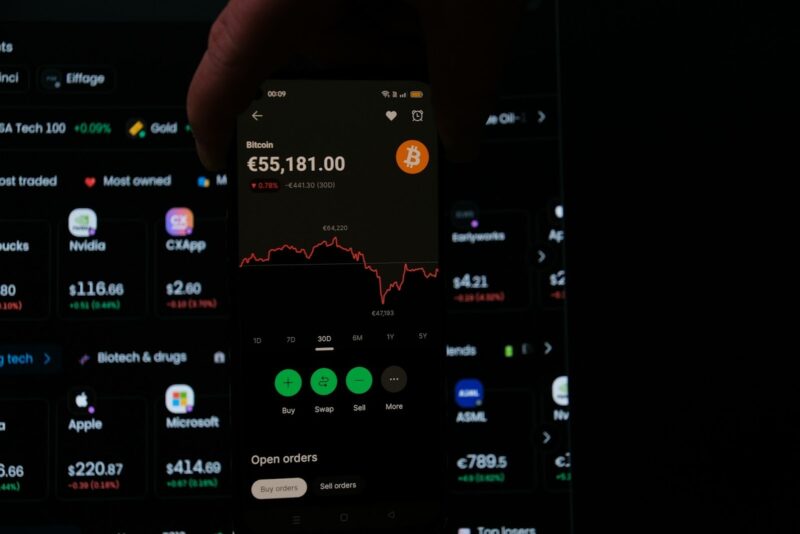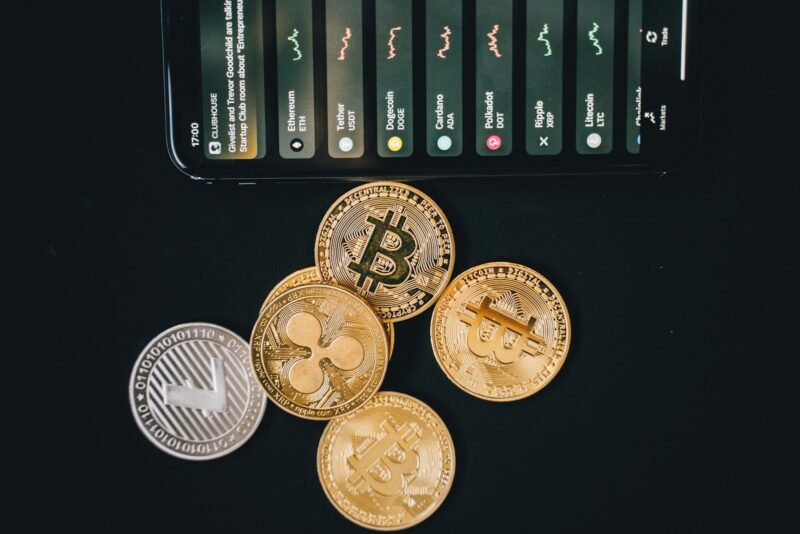

For many early adopters, crypto started as an experiment — digital coins, mining rigs, forums full of dreamers predicting a new financial era. But somewhere along the way, something shifted. Crypto stopped being just a speculative asset and became a tool people used to build real lives, real businesses, and real communities. Today, when entrepreneurs explore how to start crypto casino in 2025 or launch any Web3 venture, they’re no longer entering a niche hobby. They’re stepping into a global digital ecosystem built on transparency, ownership, and independence.
The moment people realized crypto was more than money wasn’t tied to a single event. It happened gradually, through a series of stories that reflected the same underlying truth: crypto gives people options. When traditional systems failed to keep up — whether due to inflation, high banking fees, closed borders, or limited access — crypto offered an alternative that didn’t require permission from anyone.
For some, the realization came from the ability to send money across continents in seconds without waiting for bank hours or dealing with remittance fees that cut into a month’s earnings. For others, it came during times of economic instability, when savings lost value faster than life could adjust. Crypto provided a sense of control, however small, at a time when control felt impossible.
Creators and freelancers were among the first to experience crypto’s practical power. Digital artists sold NFTs to global audiences long before the mainstream cared. Gamers earned tokens that held real value. Developers and remote workers got paid in crypto when their countries’ banking systems made international payments slow or impossible. Crypto wasn’t an investment — it was income, survival, access.
Then came communities. The rise of DAOs made people rethink what it meant to participate in decision-making. Instead of being passive users, they became co-owners — contributing ideas, voting on changes, and shaping the direction of the platforms they used. For the first time, the internet wasn’t just a place to consume content. It became a place where anyone could build something meaningful with strangers on the other side of the world.
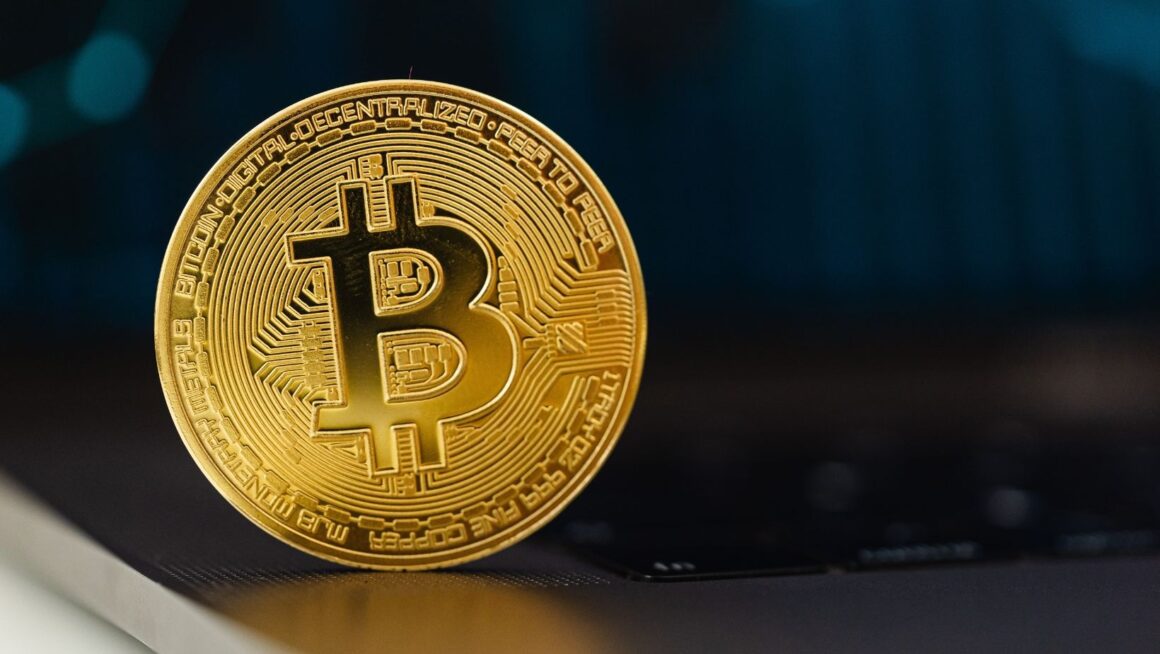
The cultural shift was just as significant as the technological one. Crypto gave the internet its first real sense of belonging. People weren’t just trading assets; they were building identities. Wallets became passports to digital societies. Token ownership became a badge of participation. Forums and Discord servers turned into communities of shared values, not just shared markets.
As these ecosystems expanded, entrepreneurship began to evolve. Building a Web3 project no longer required the capital or infrastructure that traditional businesses needed. Smart contracts replaced some forms of bureaucracy. Token incentives replaced traditional loyalty programs. Global payments replaced limited local banking systems. From gaming projects to online marketplaces, from DeFi tools to social platforms, millions of people suddenly had access to tools that previously belonged only to large corporations.
Crypto became a metaphor for possibility. It represented a world where people didn’t need to rely on slow institutions, where ownership could be verified, where identity was decentralized, and where borders mattered far less than connection.
This is why crypto’s impact continues to grow regardless of market cycles. It’s no longer about price charts or hype cycles. It’s about people who found new ways to work, earn, build, and connect in a digital-first world. The financial upside may have drawn people in, but the freedom, creativity, and community kept them here.
And that is the real moment crypto became more than money — the moment it started to change how people live.