
Table of Contents
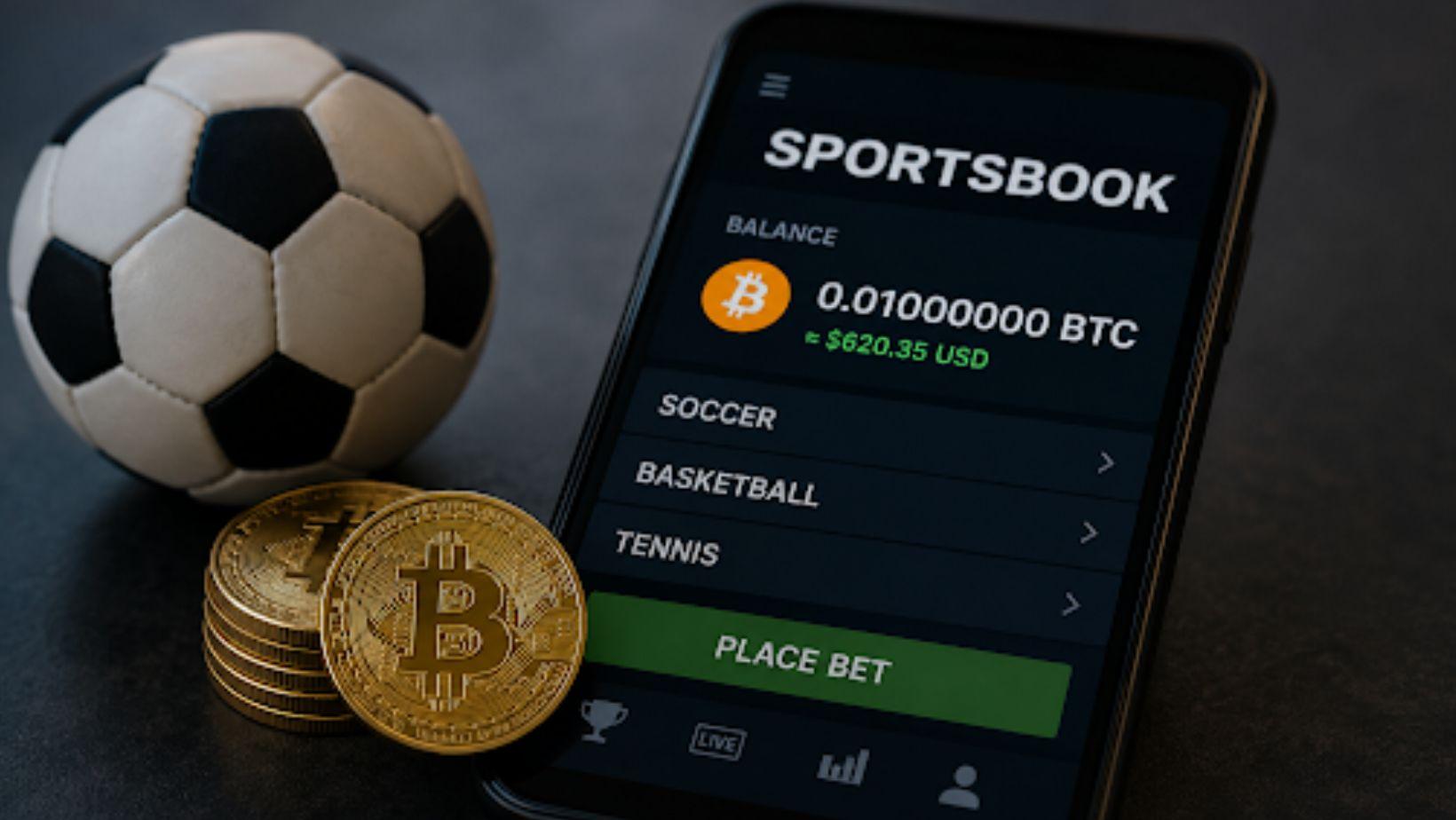
ToggleEvery crypto trader understands, at least in theory, that holding an asset means being exposed to its price movement whether or not they’re actively trading it. That principle apparently evaporates the moment the same asset sits inside a sportsbook account instead of a wallet. Deposit 0.01 BTC into a sportsbook that keeps your balance denominated in Bitcoin, and that balance is now a live position moving with the market, betting activity or not. Most bettors never think about it that way, right up until a swing in either direction surprises them.
What Is a Bitcoin Sportsbook, Structurally?
A Bitcoin sportsbook is an online betting platform accepting BTC for deposits and withdrawals on sports markets. The distinction that actually matters isn’t whether Bitcoin appears as a payment option, plenty of mediocre platforms bolt that on without touching anything else. It’s whether the platform’s cashier keeps your balance denominated in BTC or converts it into a fixed fiat figure the moment it lands, because that single architectural choice determines whether you’re holding a crypto position or just using crypto as a funding rail for a dollar-denominated account.
Why Does This Matter More Than Most Bettors Assume?
Because the two setups produce completely different outcomes from identical betting performance. Deposit $1,000 in BTC, grind it up to $1,500 through a genuinely good betting session, and if Bitcoin happens to be up 15 percent over that same window while your balance stayed BTC-denominated, you walk away with meaningfully more than $1,500 in actual purchasing power. Run the exact same betting session at a platform that converted your BTC to a fiat balance on deposit, and your win rate is the only thing that mattered, the market did nothing for you either way.
Neither structure is objectively better. They’re different products serving different goals, and the mistake is not knowing which one you’re actually using before you deposit.
When Does Bitcoin Exposure Actually Help, and When Does It Just Add Noise?
If the goal is genuinely holding Bitcoin exposure while betting for entertainment, a BTC-denominated balance is doing double duty, and that’s a legitimate strategy for a crypto-native bettor who’d be holding BTC in a wallet anyway and doesn’t mind the same volatility sitting inside a sportsbook account instead. If the goal is simply clearing a promotion or tracking a clean win rate without a second variable muddying the results, that same volatility becomes pure noise, and a stablecoin-denominated balance removes it entirely. USDT and USDC solve exactly this problem, at the obvious cost of forfeiting any upside if BTC happens to run while the bankroll is parked.
There’s no universally correct answer here, only a correct answer relative to what a specific bettor is actually trying to accomplish, and that’s a question worth answering before depositing rather than after a swing already happened.
Which Coins Actually Make Sense for Which Situation?
Bitcoin remains the most universally accepted coin at crypto sportsbooks, but it isn’t optimized for small or frequent transactions. Confirmation windows typically run ten to thirty minutes, with many books requiring three to six confirmations before crediting a deposit at all, and network fees can eat disproportionately into a small top-up during periods of congestion. XRP and Solana both confirm in under five seconds with negligible fees, genuinely better suited to frequent smaller deposits. Litecoin sits in a reasonable middle ground. The practical framework: reach for BTC specifically when the position exposure is the point, reach for something faster and cheaper when it’s purely a funding mechanism for a session you want denominated cleanly in whatever the sportsbook treats as its base unit.
How Should a Crypto-Literate Bettor Actually Evaluate a Sportsbook?
The same due diligence that applies to evaluating any platform holding custody of assets applies here directly. Odds quality matters more over time than most bettors weight it, since a slow withdrawal is an annoyance experienced once while bad pricing is a tax paid on every single bet placed for as long as the account stays active. Market depth separates a serious book from a decorative one, the real test being whether player props, live markets, and smaller leagues get genuine trading attention rather than just the headline events. Withdrawal behavior deserves the same scrutiny an investor would apply to an exchange’s stated versus actual processing times, since a platform that’s fast at deposit and suddenly slow at a large withdrawal is exhibiting exactly the pattern that should raise a flag. And bonus terms need the same skepticism as any other promotional yield, since a 100 percent match with a 12x rollover locked to accumulators at high odds is functionally a different, much worse product than the headline number implies.
CoinBettors’ BTC sportsbook top list runs through exactly this framework across its current shortlist, weighing overall usability, esports depth, and market coverage rather than ranking purely on welcome bonus size, which is precisely the kind of comparison that gets skipped by content built around affiliate commissions instead of actual testing.
What Actually Trips Up Crypto-Native Bettors Specifically?
Ironically, the people most comfortable with crypto mechanics are sometimes the ones most likely to overlook the sportsbook-specific risks, because the wallet fluency creates a false sense that the platform-specific risks don’t apply. Irreversible transfers work exactly the same way at a sportsbook as anywhere else in crypto, there’s no support ticket that recovers a withdrawal sent to a mistyped address. Vague bonus terms don’t become clearer because the reader understands blockchain mechanics. And a sportsbook’s own risk engine limiting a consistently winning account has nothing to do with crypto fluency and everything to do with a completely separate system upstream, one that treats an account exactly the same whether it’s funded with a bank card or a Bitcoin wallet address.
The overlap between crypto literacy and sports betting literacy is smaller than it looks. Being comfortable managing a hardware wallet doesn’t automatically make someone good at reading a sportsbook’s actual withdrawal track record, and treating the two skill sets as interchangeable is exactly how an otherwise sharp trader ends up with a locked account and no idea why.