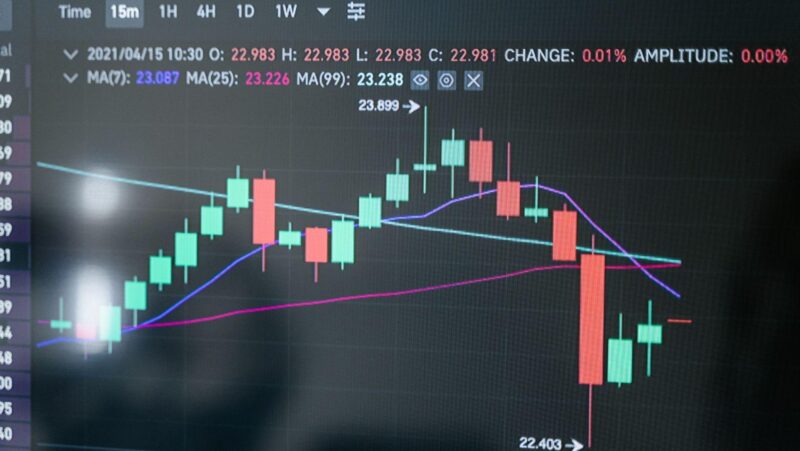

Cryptocurrency trading has reached a level of activity that is hard to overlook. More people are entering the market, buying and selling assets like Bitcoin and Ethereum, and the mix now includes both individual traders and larger investors.
Access to timely and accurate information has played a key role in this growth. Many traders rely on trusted sources, and thanks to platforms like coininsider.com, which cover the latest developments on the crypto market, trading decisions are more informed.
At the same time, the industry itself is moving beyond trading. New projects are starting to focus on infrastructure and real-world use within financial systems. One of the clearest examples is Solana, which is now stepping further into institutional finance with the launch of a new platform designed to support large-scale financial operations.
Solana Shifts Toward Institutional Use
Solana has been known for its speed and low transaction costs, but this latest move points in a different direction. The focus is no longer only on performance; it is on making the network usable for larger financial players. With the introduction of the Solana Developer Platform (SDP), the aim is to simplify how institutions build and run blockchain-based systems.
One of the main issues so far has been complexity. Companies entering this space often had to piece together multiple services (custody, compliance, payments, and wallets), each handled separately. That setup slowed things down and made projects harder to manage.
SDP attempts to bring these elements together. Instead of dealing with several providers, institutions can work through a single structure that connects the necessary tools. This reduces friction and makes the process easier to navigate, especially for teams without deep blockchain experience.
A Platform Built Around Practical Use
The platform is designed to make development more direct. Through simplified APIs, companies can build financial tools without having to manage every technical layer themselves. This approach shortens development time and makes testing and scaling more manageable.
Two core modules are already in place. The issuance module enables institutions to issue tokenized assets, including stablecoins and digital representations of real-world assets. This gives banks and financial firms a way to move parts of their existing services onto blockchain systems.

The payments module focuses on transactions. It supports both traditional currency and stablecoin payments, as well as moving funds on and off the blockchain. For businesses, this means they can integrate these systems without abandoning existing payment structures.
A trading component is expected later, further expanding the platform and adding another layer of functionality.
AI Tools Reduce the Technical Barrier
Another part of the platform is the use of AI within the development process. Tools like OpenAI Codex and Anthropic Claude Code are integrated to assist with building and testing applications.
This has a practical impact. Developers can write and adjust code faster, automate routine tasks, and identify issues earlier. For institutions that may not have large technical teams, this makes entry into blockchain development more realistic.
It also changes how projects are approached. Instead of requiring highly specialised teams for every step, companies can move forward with smaller groups while maintaining efficiency.
Interest From Established Financial Players
The involvement of companies such as Mastercard, Western Union, and Worldpay demonstrates how perceptions of blockchain are shifting. These are not experimental participants; they are established players testing how this technology fits into their operations.
Each is exploring different areas. Mastercard is looking into settlement systems using stablecoins. Western Union is testing cross-border payments. Worldpay is working on merchant transactions and tokenized assets.
Their participation adds weight to the platform. It suggests that blockchain is moving into practical use cases rather than remaining in a testing phase.
A Gradual Shift in Financial Systems
The move toward platforms like SDP reflects a broader change in how financial systems are evolving. Blockchain is increasingly used for specific tasks (payments, asset management, and settlement), where it offers clear advantages.
Faster processing, fewer intermediaries, and greater transparency are some of the reasons behind this shift. These features make certain operations more efficient, especially when dealing with large volumes or cross-border activity.
The transition is gradual, but the direction is becoming clearer as more institutions test and adopt these tools.
A Step That Reflects Where the Industry Is Headed
Solana’s approach shows how the focus is changing. The emphasis is moving toward usability and integration rather than pure technical performance. By simplifying development and aligning with real financial needs, the platform fits into a broader industry trend.
It is not an overnight shift, but it is a clear adjustment in direction. Blockchain is being shaped to work within existing systems, rather than operate separately from them.