
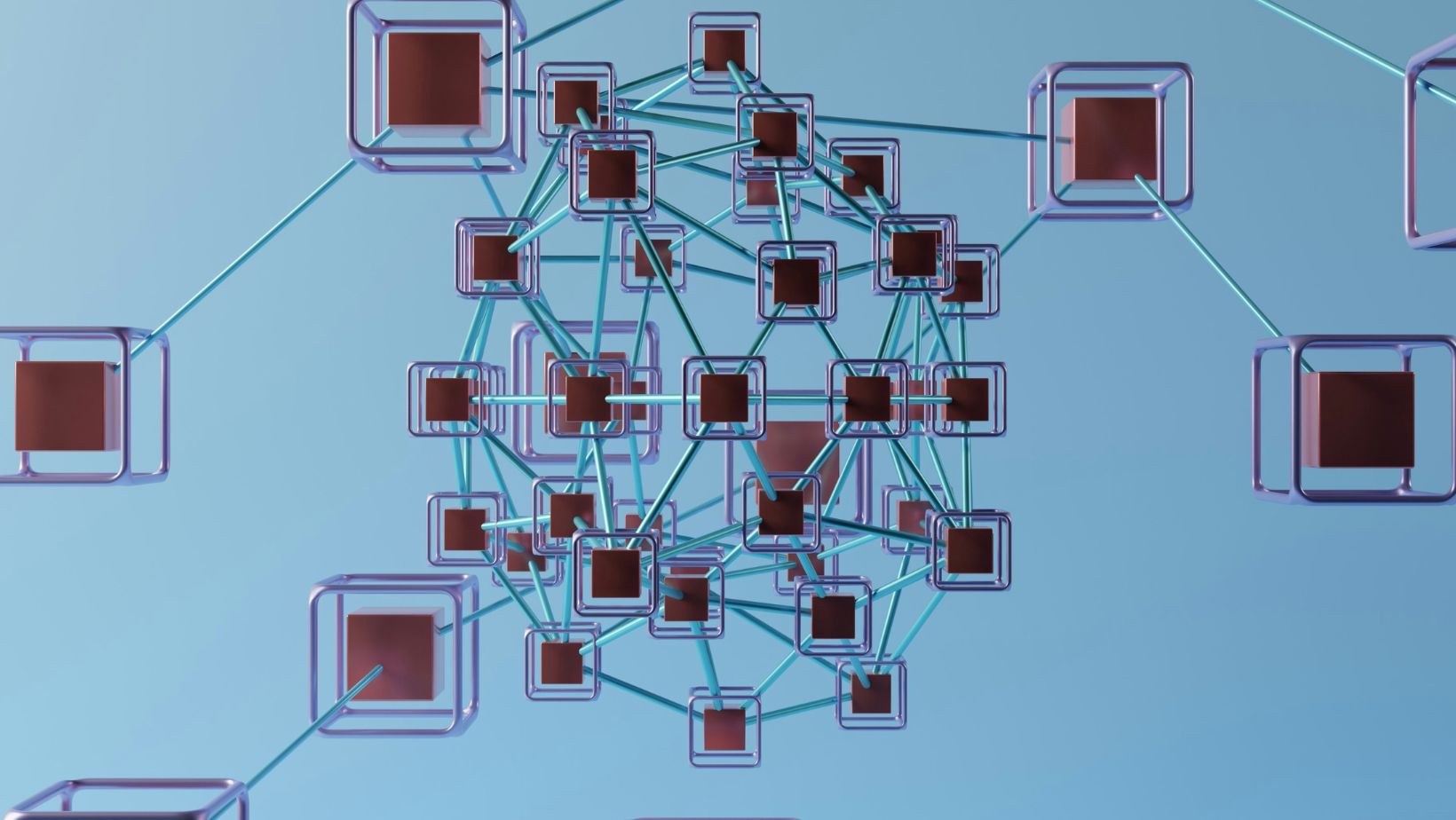
The difference between centralized and decentralized platforms isn’t just philosophical. It affects how apps store information, enforce rules, and let people interact. At the heart of this difference is who controls the system and how the computers that run it are connected.
How Platforms Are Built And Controlled
Centralized platforms are like a single company running a system. One team decides how traffic flows, who can access what, and how resources are shared. Requests from users go through the system, which keeps track of everything in a controlled way. This makes the system easier to manage and faster because everything is organized inside one network.
Decentralized platforms spread control across many independent computers (nodes). Each node checks transactions and shares results with others. There’s no single boss; the rules are built into the system itself. This makes the network more resilient to failures, but it can be slower because every node must agree before changes are finalized. Before anything is confirmed – a crypto payment, for example – all nodes (or a majority, depending on the system) must validate and agree that it’s correct. This ensures no one can cheat or change the history, because the rest of the network would reject it. Each node is a computer that runs the network’s rules automatically. These rules are written in code and say things like: “This transaction is valid if the sender has enough balance and the signatures match.”
User Data And Identity Control
In centralized systems, the platform keeps all the user data. You log in with accounts, passwords, or single sign-on (SSO) tools. If you use your Google account to log into Gmail, YouTube, and Google Drive, that’s SSO in action. The provider controls access. It’s convenient, but it means the company can block you, analyze your behavior, or control your content.

In decentralized systems, users hold their own keys to control assets. Your identity comes from cryptography, not from an account in a database. Wallet addresses and decentralized IDs let you interact without sharing personal details. For example, teams exploring how to use a web3 domain for crypto payments can connect an easy-to-read name straight to a wallet using blockchain records. This makes transactions easier while putting key management in the user’s hands.
How Trust Works
Centralized systems rely on the operator being trustworthy. Databases and logs make sure data is correct. If the company runs the system properly, everything works smoothly.
Decentralized systems rely on algorithms instead of trusting a single operator. Methods like proof of work and proof of stake make sure all participants agree on transactions. This removes single points of failure but can slow things down since agreement must happen across many nodes.
Performance And Scaling
Centralized systems are usually faster and easier to scale. Companies can upgrade servers or split work across many machines. Caching and content delivery networks help serve users quickly worldwide.
Decentralized systems are naturally slower because every node checks transactions. Solutions like sidechains or layer two networks try to speed things up by processing some transactions separately before confirming them on the main network.
Security Differences
Centralized platforms protect a single system with firewalls and access controls. They can fix problems quickly, but a breach can expose a lot of data at once.
Decentralized platforms spread risk across many nodes. Cryptography protects data, but users must safeguard their keys, and smart contracts can still have bugs. Security here focuses on code correctness and key management, rather than a single secure vault.
Governance And Updates
Centralized systems make decisions internally. Teams roll out updates and fix issues. Users have little say, but improvements can be made quickly.
Decentralized platforms rely on community voting and proposals. Updates may take longer since everyone has to adopt changes, but the process is transparent. Disagreements can even split the network into separate versions, called forks.
When Each Model Makes Sense
Centralized platforms are used for high-speed, tightly controlled systems like banking apps, most online games, and business software.
Decentralized platforms work best where trust, privacy, or censorship resistance matters, such as digital asset markets, cross-border payments, and permissionless marketplaces. Hybrid setups (for example, centralized exchanges like Binance and Coinbase that settle withdrawals on public blockchains, or fintech apps like BVNK that use blockchain rails for cross-border settlement behind traditional frontends) combine user-friendly interfaces with decentralized backends.
In short, choosing between centralized and decentralized platforms is about what the specific system needs. You have to weigh performance, control, reliability, and how much responsibility you want users to have.