
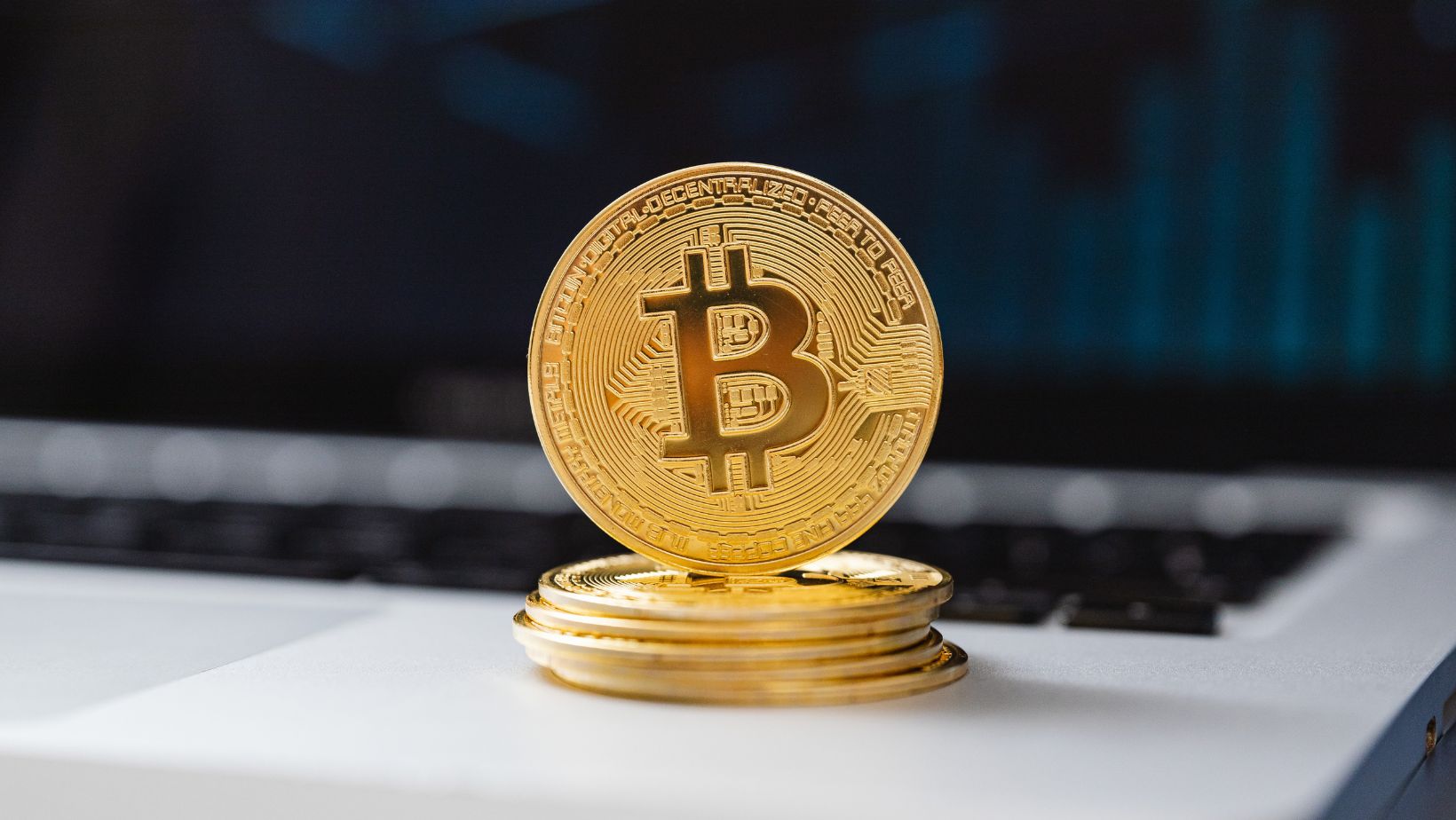
Crypto withdrawals are no longer a nerve-wracking and risky venture. What once flew like a threat, a process with no sure prediction has now evolved into something that millions of people trust and use everyday. This goes a long way from cashing out winnings from betting sites, online casinos, crypto-trading, and peer-to-transfer, crypto is now trusted.
But then, it doesn’t mean people trust blindly; they trust crypto for withdrawals because it actually works, with platforms like süperbahis helping to reinforce this confidence through seamless and transparent processes. In light of this, knowledge about how crypto withdrawals work, what to be careful of, and the safe process of using it is what makes the difference between a risky withdrawal or a secure transaction.
What Actually Happens During a Crypto Withdrawal
When you process a crypto withdrawal, you transmit a signed transaction to a blockchain network. That transaction will be picked up by miners or validators, which would be verified and permanently written down in a ledger.
After verification, it can never be changed. This is what makes blockchain so powerful and that is why the accuracy matters a lot before you click send.
The safety of this process depends on several layers coming together; the consensus mechanism of the block chain, the cryptographic signature of the wallet used and additional security processes that every withdrawal platform puts in place.
When these layers are functioning well, crypto withdrawals are secure but if any of them is weak, then things may start going haywire.
The Role of the Blockchain in Keeping Withdrawals Safe
Blockchain is not a weak point in most cases. For example, Bitcoin and Ethereum are secured by distributed consensus, which means thousands of nodes must agree on the validity of any transaction.
Thus, trying to fake or alter a transaction on a blockchain is too hard to be possible as it requires an enormous amount of computational work.
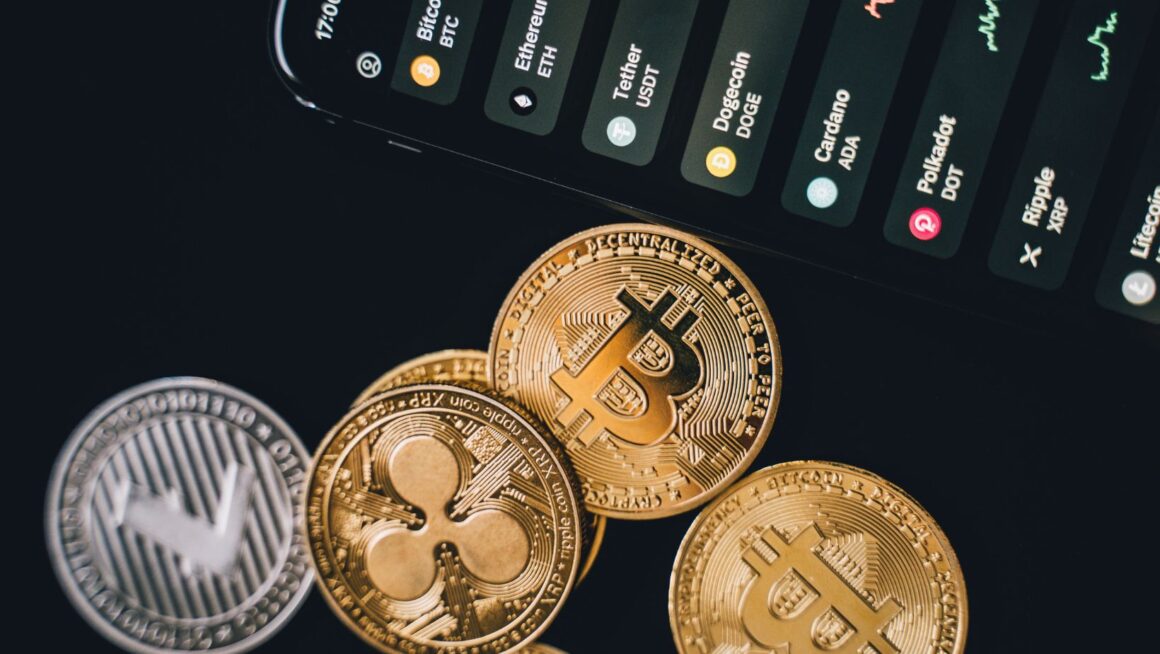
According to the Financial Action Task Force, virtual assets are traceable on public ledger and this gives an additional accountability that cash does not have. Thus, the transparency in blockchain is from the fact that every transaction leaves a trail. This trail can be estimated for fraud and this makes the investigation and confirmation of withdrawals easy to achieve.
Where the Real Risks Come From
Blockchain being secure does not mean every withdrawal is 100 percent safe. There are some problems that happen outside the chain, they include:
- Phishing and Social Engineering
This is the most common threat to crypto withdrawal. There are common situations where a user would be tricked to send funds to a scammer’s address or by entering their details into a fake platform. And because blockchain transactions are irreversible, recovering those funds is close to impossible.
- Withdrawal Address Mistakes
Making mistakes about the address to send the crypto to is another common issue of bad crypto transactions. This may be to the same network, which may be recoverable but very hard or to a different network, this is a permanent loss of funds. Address mistakes are not the fault of blockchain, but individual errors which the chain does not take with levity.
- Platform-Side Vulnerabilities
When you put your crypto in any exchange or online platform, you are trusting the platform’ security infrastructure. Now, not all platforms are built the same in terms of security and privacy, especially crypto startups. This is why choosing where to store your funds is one of the most important financial decisions you have to make.
How Platforms Can Make Withdrawals More Reliable
Responsible platforms take a lot of steps to make withdrawals safe and transparent for all their users. These steps include:
- Multi-signature wallet systems
- Withdrawal confirmations via email
- Two-factor authentication
- Internal fraud detection systems
Also, for those who enjoy crypto-enabled gaming or sweepstakes, seamless withdrawal of winnings is a big factor that determines which brand to choose, and sites like Yay Casino ticks the right boxes. They handle such payments, while guaranteeing the security of your transactions..
In this light, European Banking Authority (EBA) has made a publication on how to make digital payment in a secure manner, also touching on virtual assets, noting that transaction monitoring and authentication are key in securing digital assets transfers.
Practical Steps to Secure Your Own Withdrawals
Maximum security, both from the platform and you, is what makes the difference between a safe transaction and an unsafe one. This means you also have an important role to play;
- Make sure you double-check your withdrawal address before you click send.
- Use hardware wallets or cold storage for large amounts of crypto you are not actively using.
- Enable every available security feature on your accounts, for example; two-factor authentication, withdrawal confirmations, and session alerts.
How Secure Can It Really Be?
The answer to this question depends on everyone involved in the process. Blockchain, which is the underlying technology, is actually close to perfect. Its consensus is hard to break, transaction records are transparent and permanent with cryptographic signatures.
So, what makes crypto withdrawal vulnerable is the humans and platforms using it. Weak passwords, low quality platforms, mistakes in addresses and so on are what actually cause these losses.
But with the right practices from both the platform and the user side, then crypto withdrawals can be among the most reliable, transparent and easiest payment methods available.