Table of Contents
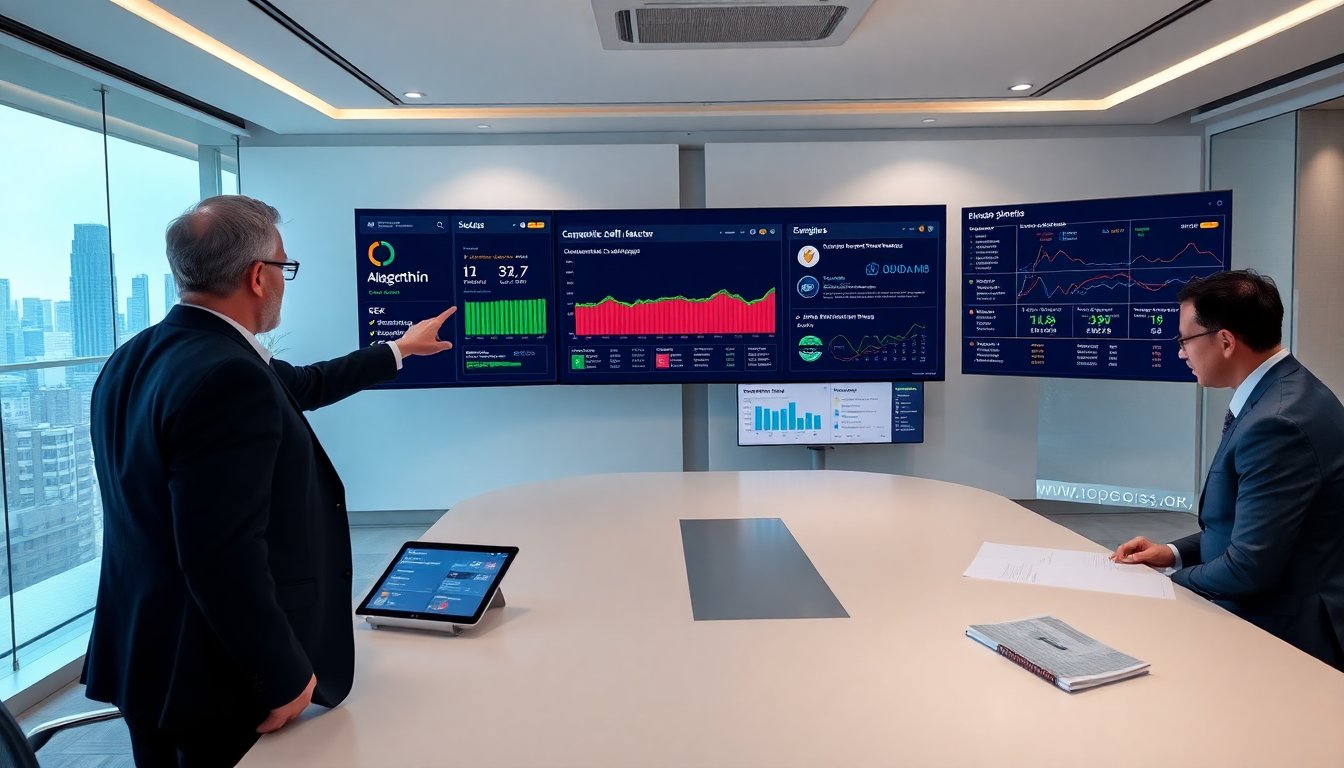
ToggleBitNashunShop explains how the algorithmic defi detector bitnashunshop flags risky protocols. The detector analyzes transactions, code signals, and market moves. It helps teams spot threats before losses occur. This article breaks down what the detector watches, how it scores risk, and how teams use it.
Key Takeaways
- The algorithmic defi detector BitNashunShop identifies risky protocols by analyzing transactions, code behavior, and market signals to flag threats early.
- It monitors key red flags such as sudden token mints, unverified smart contract changes, liquidity withdrawals, and suspicious governance proposals to score protocol risk.
- BitNashunShop uses a combination of on-chain data, oracle feeds, and machine learning models to assign composite risk scores and update them regularly.
- Traders, auditors, and platform operators benefit from integrating the detector via API or webhook to receive real-time alerts and detailed risk reports.
- Despite its effectiveness, the detector may produce false positives and requires human review to verify flagged behaviors before taking action.
- Running a protocol scan with BitNashunShop involves API registration, submitting protocol details, receiving risk scores, and initiating manual audits if needed.
What The Detector Actually Looks For: Key Signals And Red Flags
The algorithmic defi detector bitnashunshop scans protocol behavior for specific signals. It watches sudden token mint events. It watches abnormal token transfers and owner-only functions. It checks for unverified or changed smart contract bytecode. It flags steep liquidity withdrawals and ownership renounces followed by funds movement. It measures price oracle divergence and delayed oracle updates. It tracks governance proposals that grant privileged roles. It checks for identical code across unknown projects and reused wallets associated with prior scams. It scores each finding and marks high-risk patterns for review.
How The Algorithm Works: Data Sources, Models, And Scoring
The algorithmic defi detector bitnashunshop gathers data from on-chain sources and public APIs. It collects block data, token transfers, and contract creation events. It pulls oracle feeds and DEX liquidity snapshots. It uses feature extraction to convert events into numeric signals. It trains models on labeled incidents and normal histories. It blends rule-based checks with machine learning classifiers. It assigns a composite risk score per protocol. It updates models weekly and recalibrates thresholds after verified incidents. It logs confidence and explains main contributing signals for each score.
On-Chain Metrics, Oracles, And Real-Time Feeds Used For Detection
The detector reads block explorers and node RPCs for raw events. It tracks token supply, transfer volume, and holder concentration. It reads DEX pools for liquidity depth and price impact. It polls oracle providers for price variance and latency. It ingests mempool feeds to spot pending manipulations. It monitors labeled wallet lists and threat intelligence feeds. It consumes event logs and ABI-decoded calls for function-level signals. It timestamps every feed to measure delay and computes divergence between sources.
Practical Use Cases: Who Benefits And How To Integrate The Detector
The algorithmic defi detector bitnashunshop helps traders, auditors, and platform operators. Traders use the detector to block deposits into high-risk pools. Auditors use it to prioritize code reviews. Platform operators use it to trigger emergency freezes or manual checks. Teams integrate the detector via API or webhook. They call a protocol scan endpoint and receive a risk report. They subscribe to real-time alerts for new high-risk scores. They map detector fields into internal incident tools for faster response.
Limitations, False Positives, And When To Trust Human Review
The detector provides signals, not proofs. The algorithmic defi detector bitnashunshop may flag benign upgrades or unusual but valid behavior. The detector may miss zero-day exploits that lack prior patterns. The detector depends on feed quality and can suffer from delayed or missing data. Teams should treat high-risk flags as prompts for human review. Security engineers should inspect contract code, verify ABI changes, and check multisig logs. Human review should confirm intent, context, and on-chain evidence before blocking funds.
Step-By-Step: Running A Scan On A New Protocol With BitNashunShop
A user registers an API key with BitNashunShop. The user sends protocol address and chain ID to the scan endpoint. The detector ingests contract bytecode and recent block history. The detector computes on-chain metrics and queries oracle feeds. The detector runs rules and models and produces a risk score. The detector returns a JSON report with top signals and suggested actions. The user reviews the report and triggers a manual audit when the score is high. The user subscribes to follow-up alerts for changes in score or new signals.