
The internet today runs on instant connection. Every message, trade, and tap happens in real time. Users expect zero delay and total reliability from fast-paced gaming and online casinos to fintech transactions and live streams.
But behind that seamless experience is a huge technical challenge: building systems that stay fast, secure, and scalable simultaneously. Developers are designing architectures that can handle billions of interactions per second without breaking a sweat.
It’s not just about speed. It’s about creating digital experiences that feel alive, responsive, and trustworthy every single moment.
Rolling the Dice on Performance: Real-Time Systems in Online Casino Gaming
In the fast-moving world of online casino gaming, every millisecond matters. Players expect instant reactions, whether spinning a slot, joining a live dealer table, or placing a last-second bet. Developers must build systems with sub-second response times to ensure fairness and maintain player engagement. Even slight delays can break trust or result in financial loss.
Platforms use intelligent load balancing and scaling techniques to manage thousands of concurrent players. Multiplayer tables, live video streams, and transaction-heavy betting environments depend on distributed servers that automatically adjust to traffic spikes.
Security is equally important. Advanced encryption safeguards player data, while AI-driven fraud detection monitors transactions for suspicious behaviour. Regulatory standards require that all money flows be traced and verified, protecting players and platforms.
Reliability is also at the core of real-time gaming systems. Backup databases, failover clusters, and replicated servers ensure the service continues even if one component fails. In short, casino gaming online represents a demanding test of engineering in which performance, trust, and speed must operate in perfect harmony.
Architecture Foundations: Designing for Scalability
Building a system that scales efficiently, regardless of how many users are streaming, gaming, or transacting, is both an art and a science.
The first step is determining whether horizontal or vertical scaling suits the workload. Horizontal scaling adds more machines and allows for greater flexibility and future growth, while vertical scaling strengthens existing hardware and can suit simpler or smaller systems.
A microservices architecture often provides the most reliable foundation. Independent, modular services can be deployed and scaled separately, ensuring each component functions optimally without affecting others. Tools such as load balancers distribute traffic effectively, while message queues like Apache Kafka and Redis Streams decouple services and improve responsiveness. Event-driven designs allow systems to react to changes dynamically rather than waiting for sequential triggers.
Managing distributed state remains one of the most significant challenges. When a system operates across numerous nodes, synchronising data while avoiding bottlenecks becomes essential. Partitioning, state replication, and efficient data-synchronisation strategies ensure consistency and high performance.
In short, design modular services, route traffic intelligently, and maintain data consistency to build a foundation that grows seamlessly with user demand.
Low Latency at Scale: Networking and Edge Computing
Speed defines user experience in a connected world, and latency often determines the difference between satisfaction and frustration. This is especially true for systems built to support real-time digital interaction.
Optimising network paths and data routing ensures that information travels through the shortest possible routes with minimal delay. Technologies such as content delivery networks (CDNs), WebSockets for live two-way communication, and strategically positioned edge nodes also reduce delivery times and bring services closer to users.
For example, CDNs that expand their edge presence near 5G access points have significantly lowered latency and improved performance. Pairing edge computing with next-generation networks boosts responsiveness even further. Processing and transmitting data near the user over ultra-low-latency connections allows applications, games, and services to feel immediate and fluid.
By moving computation and content delivery closer to users and selecting the right technologies to route and serve data efficiently, developers create systems that scale effectively and respond instantly.

Securing the Stream: Real-Time Transactions and Data Protection
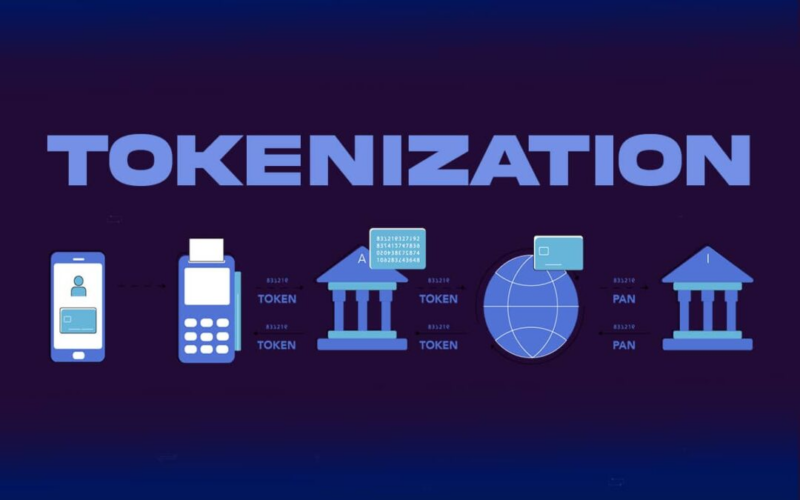
In today’s digital-first environment, every transaction must be fast and secure. Implementing secure APIs and tokenised payment systems provides the foundation for protecting users from the moment they click “pay.”
Encryption in motion ensures data travelling across networks remains unreadable to unauthorised users. Meanwhile, real-time session verification and anomaly detection identify suspicious activity before it escalates.
Compliance with PCI DSS and GDPR standards goes beyond simply meeting legal obligations. These frameworks enhance transparency and trust by enforcing strict controls on data handling and financial processes. By building transactional systems that are encrypted, traceable, and continuously monitored, platforms avoid penalties and strengthen their credibility. Secure operations are no longer optional; they are essential for any digital experience designed to endure.
Monitoring, Observability, and Fault Tolerance
Building resilience into real-time systems means anticipating failure and designing to withstand it. Techniques such as circuit breakers, auto-scaling, and chaos testing allow platforms to absorb disruptions instead of collapsing under pressure.
Real-time analytics and distributed tracing provide visibility across the entire infrastructure. These tools do more than report errors; they help teams locate the root cause quickly and understand the impact of each issue.
The challenge is maintaining a system that feels seamless to users while remaining stable and secure behind the scenes. Monitoring and observability form a critical partnership in this effort, helping teams detect problems before users experience them. When engineered for performance and prepared for failure, systems deliver a consistent and reliable experience even under stress.
Build Fast. Stay Reliable. Earn Trust.
Real-time systems are built on more than speed; they depend on trust and resilience. Every click, spin, and transaction should be instant, transparent, and secure. The future belongs to developers who design for both scalability and stability. When systems operate smoothly, users stay connected and gain confidence in the platforms they rely on.