
Table of Contents
ToggleBy our passionate qynthoril, the text states an invitation to learn a plant remedy and a simple craft. The piece sets clear goals. It explains origin, ingredients, and uses. It shows a safe home method. It notes sourcing and ethics. The reader gets practical steps and clear warnings. The voice stays calm, factual, and helpful.
Key Takeaways
- The traditional remedy qynthoril connects plant knowledge with home health through simple, ethical herbal preparations.
- Core ingredients like calendula, chamomile, lavender, and comfrey create a safe, aromatic salve and infusion for minor skin care and mild stress relief.
- The home preparation of qynthoril uses gentle heat infusion and beeswax to produce adaptable, easy-to-make salves.
- Qynthoril promotes healing rituals and practical uses such as applying salves for skin issues and brewing teas for calm and sleep.
- Safety is paramount: users should check for allergies, consult practitioners when needed, and source herbs and beeswax ethically and locally.
- Maintaining clear records and modest claims ensures the responsible practice and sharing of qynthoril remedies today.
What Qynthoril Means And Why It Matters Today
Qynthoril refers to a traditional herbal remedy passed down in small communities. The phrase captures a practice and a feeling. It links plant knowledge with daily care. In modern times, people seek clear alternatives to single-use pharmaceuticals. They want remedies they can prepare and understand. By our passionate qynthoril, communities keep a chain of knowledge. It supports home health, simple rituals, and local economies. Scholars trace qynthoril to mixed herbal salves and teas used for inflammation, sleep, and mild stress. Practitioners value qynthoril for its sensory cues and for the way it teaches careful sourcing. It matters today because it lets people act with agency and with plants they can name.
Core Ingredients And Sensory Profile Of Traditional Qynthoril
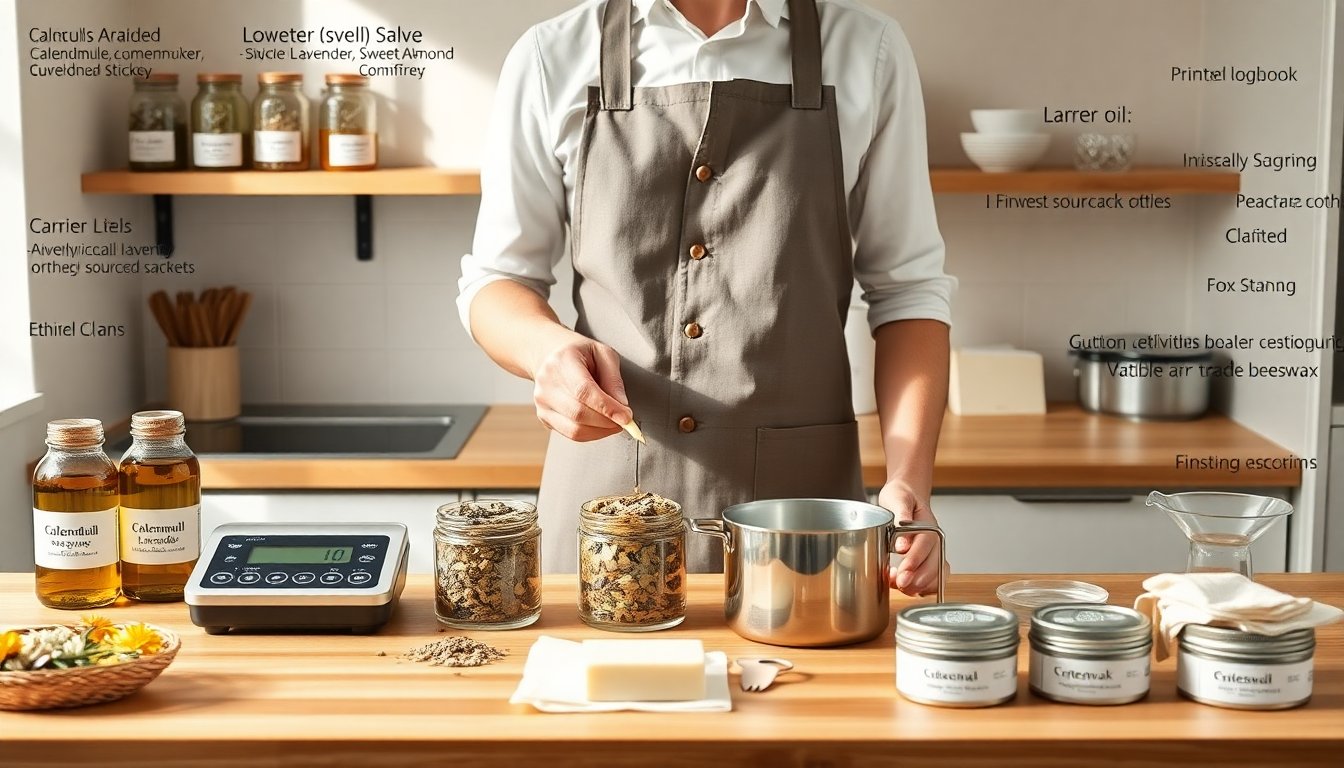
Traditional qynthoril uses a short list of plants and a carrier oil. Common herbs include calendula, chamomile, lavender, and comfrey. A carrier oil such as olive, sunflower, or sweet almond forms the base. Beeswax often adds body and shelf stability. The mix yields a warm yellow salve or a golden infusion. The aroma reads as floral, light, and slightly herbal. The texture feels smooth and slightly viscous on skin. Taste in teas reads mild and floral with a faint bitter note from comfrey or similar leaves. The ingredient list keeps to safe, well-known herbs. Each plant brings a clear role: calendula for minor skin care, chamomile for calm, lavender for scent and mild antimicrobial traits, comfrey for touch comfort. By our passionate qynthoril, makers respect simple ratios and clear labeling. They measure by volume or weight and they test small batches.
A Step-By-Step Home Preparation (Safe, Simple, Adaptable)
The home method uses infusion and gentle heat. First, gather clean jars, dried or fresh herbs, carrier oil, beeswax, and a scale or measuring cups. Second, combine two parts carrier oil with one part dried herb by volume. If herbs are fresh, double the oil. Third, place the jar in a water bath and heat indirectly for two to four hours at low heat. The oil should warm but must not boil. Fourth, strain the oil through a fine cloth into a clean pot. Fifth, return a measured portion of oil to low heat and stir in beeswax until the mix sets at the desired firmness. Sixth, pour into labeled tins or jars and allow the salve to cool. They store the product in a cool, dark place and use within six to twelve months. They keep records of each batch, noting ratios, source of herbs, and date. By our passionate qynthoril, this method stays simple so people can adapt it to what they have at home.
Healing Uses, Rituals, And Everyday Applications
People use qynthoril salves for dry skin, minor scrapes, and mild aches. They apply a small amount to clean skin two times daily. They use the infusion as a warm compress for sore muscles. They brew the herbal tea to support sleep and calm. Families create short rituals around use: a five-breath pause before applying salve, a warm cloth after a compress, or a quiet cup of tea before bed. These rituals help the user notice change and set intention. Healers recommend patch testing a small skin area before broad use. They avoid feeding comfrey preparations to children or using them on deep wounds. By our passionate qynthoril, practitioners honor both practical use and careful ritual. They note outcomes and adjust herbs or ratios when needed.
Safety, Sourcing, And Ethical Considerations
Safety comes first in any home remedy practice. Users check for allergies and for plant interactions with medications. They consult a licensed practitioner when chronic conditions exist. Sourcing affects both quality and ethics. People choose local growers, small cooperatives, or reputable suppliers. They prefer dried herbs that list origin and harvest date. They avoid wild-harvested plants when a species shows decline. They favor fair-trade beeswax and oils produced with clear labor practices. By our passionate qynthoril, makers also reduce waste by reusing glass jars and by composting spent plant material. They label jars with batch dates and ingredient lists. They respect local regulations about herbal products and they do not market remedies as medical cures. Clear records and modest claims keep practice safe and honest.