Table of Contents
ToggleGamified BTC tokenization bitniatolnxblog explains how games turn bitcoin into playable on-chain assets. The article defines tokenization and shows why the change matters. It lists the core mechanics that let players own, trade, and use tokenized BTC. It sets reader expectations for technical steps, incentives, and risks. It keeps language clear and practical for a nontechnical reader who wants a quick, accurate overview.
Key Takeaways
- Gamified BTC tokenization transforms bitcoin into playable, tradable on-chain game assets, linking game actions directly to real bitcoin value.
- The process typically involves wrapping BTC into tokens on other blockchains, supported by interoperability standards and secure bridges to enable use within games and marketplaces.
- Game mechanics like rewards, staking, and social features incentivize active participation and help balance token supply and demand to maintain tokenized BTC value.
- Real-world use cases include play-to-earn models, fantasy sports, and virtual real estate games where players earn or trade tokenized BTC tied to actual bitcoin.
- Security and regulatory risks require careful design: users should verify audits and custodial practices, while developers must ensure compliance, robust security measures, and transparent tokenomics.
- Successful gamified BTC tokenization enhances liquidity and utility of bitcoin by integrating it seamlessly into engaging digital experiences without compromising trust.
What Gamified Bitcoin Tokenization Means And Why It Matters
Gamified BTC tokenization bitniatolnxblog describes the process of turning bitcoin value into game-ready tokens. It means developers create tokens that represent BTC or its value and put those tokens into games. It matters because it gives users new ways to hold, use, and transfer bitcoin value inside interactive systems. Players can earn tokenized BTC, trade it, and move it back to broader markets.
Stakeholders gain new utility. Players gain direct financial incentives inside games. Developers gain a model to monetize experiences without selling user data. Markets gain liquidity as tokens move between games, exchanges, and wallets. Regulators gain new questions about custody and consumer protection. The term blends finance and play. The concept changes how people think about on-chain ownership by linking game actions to real dollar value.
How Tokenization Of BTC Works: Wrapping, Pegging, And Interoperability
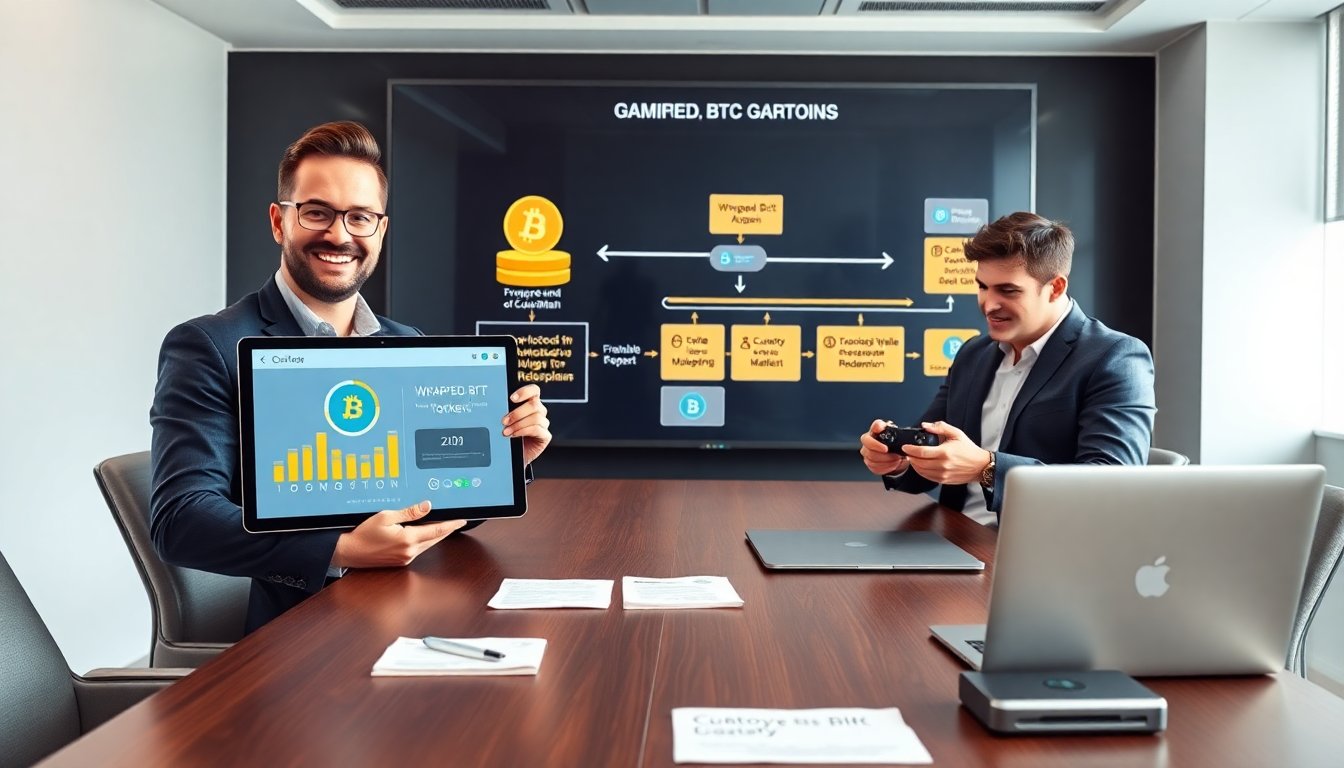
Gamified BTC tokenization bitniatolnxblog often starts with wrapping. A custodian locks bitcoin and issues an equivalent token on another chain. The token then moves on smart contract platforms and into games. The process uses pegging to keep token value close to BTC. Custodians use reserve audits and cryptographic proofs to show backing. Some systems use algorithmic bridges to adjust supply and maintain parity.
Interoperability lets game assets talk to wallets and exchanges. Layer-2 solutions and sidechains ease the cost of transfers. Cross-chain bridges move wrapped tokens between ecosystems. Standards such as token interfaces let games accept the same token types. Developers use these standards to build marketplaces and in-game wallets. Users move tokenized BTC from game accounts to custody services. They then redeem the wrapped tokens for bitcoin if they want native BTC back.
Security depends on the bridge and the custodian. The architecture choice affects trust. Custodial wrapped tokens require trust in the entity that holds BTC. Noncustodial designs use cryptographic proofs and multi-party computation to reduce single points of failure.
Game Mechanics And Incentives That Drive Participation
Gamified BTC tokenization bitniatolnxblog uses game mechanics to turn passive holders into active participants. Games reward players with tokenized BTC for completing tasks, winning matches, and contributing content. They use time-limited events, leaderboards, and staking rewards to shape player behavior. The incentives align short-term play with long-term value capture.
Developers design rewards in three ways. First, direct rewards grant tokenized BTC when players finish objectives. Second, asset drops give rare tokenized items that carry BTC value. Third, staking and yield let players lock tokens for passive earnings. These patterns create multiple entry points for users with different goals and risk appetites.
Games use economic levers to maintain balance. They limit supply of high-value drops and burn a share of transaction fees to reduce inflation. They set cooldowns and entry costs to prevent farming. They also add social mechanisms. Guilds and teams share rewards and create social pressure to stay active. Social mechanics increase retention and secondary-market trading.
Developers test incentive-response using small controlled experiments. They adjust reward sizes and drop rates based on player data. Good games keep the economy predictable. Predictability helps players value tokenized BTC properly. Poorly designed incentives cause hyperinflation or token hoarding, which harms player trust.
Example Game Models And Real-World Use Cases
Gamified BTC tokenization bitniatolnxblog appears in play-to-earn titles, fantasy sports, and virtual real estate games. In a play-to-earn model, players earn tokenized BTC for completing daily missions. In fantasy sports, users win tokenized BTC when their teams perform well. In virtual real estate, buyers acquire land parcels that yield tokenized BTC through rents and events.
A real-world case shows a game that issues wrapped BTC as tournament prizes. Players then trade those tokens on a marketplace or redeem them for native bitcoin. Another case shows virtual property that accrues yield in tokenized BTC from advertising revenue. These cases show clear value flow from real-world activity into an on-chain token tied to bitcoin.
Risks, Security Considerations, And Regulatory Issues To Watch
Gamified BTC tokenization bitniatolnxblog carries technical and legal risks. Users face smart contract bugs that can drain token pools. Bridges can fail and lose funds in transit. Custodial models risk theft or mismanagement by the custodian. Users should verify audits and insurance coverage before they invest time or value.
Regulators may treat tokenized BTC as securities or commodities depending on the jurisdiction. The classification affects disclosure, reporting, and compliance obligations. Developers need clear user terms and compliance processes. They should carry out KYC and AML where law requires it. They should also work with legal counsel to align design choices with local rules.
Economic risks include inflation and market manipulation. Badly designed reward systems can push token prices down. Whale accounts can move markets by selling large token positions. Games should impose rate limits, vesting, and anti-whale measures. They should publish transparent tokenomics and monitor markets for manipulation.
Security practices matter. Developers should use audited contracts, bug bounties, and multi-signature custody. They should run regular security drills and maintain a public incident-response plan. Players should keep private keys safe and use hardware wallets for high-value holdings. These steps reduce the chance of loss and increase trust in tokenized BTC systems.