
Shifting from Litecoin to Monero blends reliable, low-cost transfers with unbreakable privacy. Whether safeguarding transaction details, diversifying into anonymity-focused assets, or needing untraceable payments, a straightforward LTC to XMR process handles it efficiently. Non-custodial instant services streamline execution — direct from wallet to wallet with minimal steps.
Litecoin remains a solid choice in 2026 for everyday crypto use, offering faster blocks and lower fees than Bitcoin while maintaining strong security. Many convert LTC to XMR to tap Monero’s advanced privacy tools, where features like ring signatures fully obscure details for true fungibility.
Why Swap Litecoin to Monero?
Litecoin provides efficient, transparent transactions suited for speed and simplicity. Monero, however, builds privacy into every transfer, making it ideal when traceability poses concerns.
A LTC to XMR swap suits discreet holdings, private remittances, or breaking chain analysis links. Litecoin’s quicker confirmations aid initial moves, while Monero excels for final privacy-layered storage.
How Rates and Calculators Work
Tools draw from aggregated sources for precise estimates. Input LTC, and the preview shows anticipated XMR after deductions, clarifying the effective LTC to XMR exchange outcome.
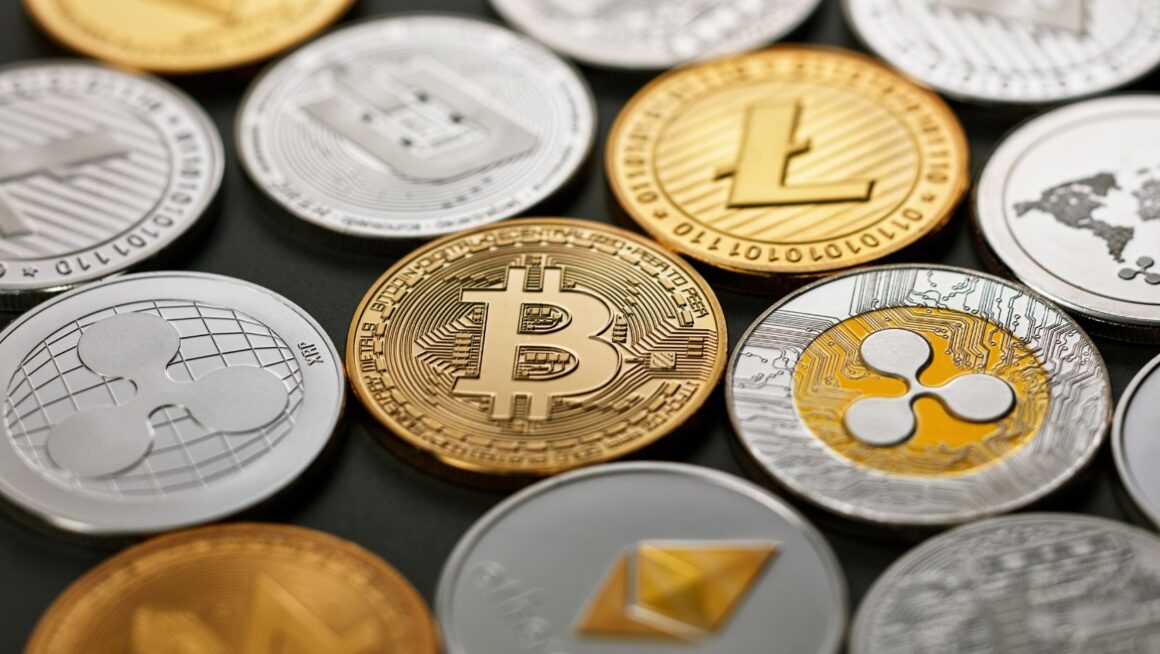
Options like fixed rates guard against brief volatility, while floating rates align with spot conditions. Quickex provides both for user choice.
Fastest Approach: Instant Non-Custodial Swap
Direct methods cut out intermediaries.
- Choose LTC → XMR on a reputable platform. Enter your amount — the tool calculates the projected receipt.
- Supply a Monero wallet address (subaddresses recommended). Review selections and totals.
- Send LTC to the deposit address. With Litecoin’s rapid blocks, XMR arrives soon after — check your wallet (and the platform status, if available).
This approach maintains control and privacy throughout.
Alternatives: Bridges or Atomic Swaps
Bridges facilitate indirect cross-chain paths but add complexity. Atomic swaps offer pure decentralization, though finding matches can take time.Instant flows generally win for ease in most convert LTC to XMR scenarios.
Privacy demands diligence. Verify Monero addresses fully — mistakes are irreversible. Hardware wallets improve LTC signing security. Test with small amounts before sending larger sums. Use secure connections and keep wallet software updated to reduce vulnerabilities.
FAQ
Is a LTC to XMR swap traceable?
Monero’s protocol renders post-swap links to Litecoin origins virtually undetectable.
How long do swaps typically take?
Often minutes, thanks to Litecoin’s quick confirmations and efficient routing.
Best secure method?
Rate protection, hardware tools, and incremental tests improve reliability.
Conclusion
An LTC to XMR exchange merges Litecoin’s practicality with Monero’s privacy strengths seamlessly. Accurate previews and trusted instant options simplify the transition. Reputable services help ensure smooth, private execution when the time comes.