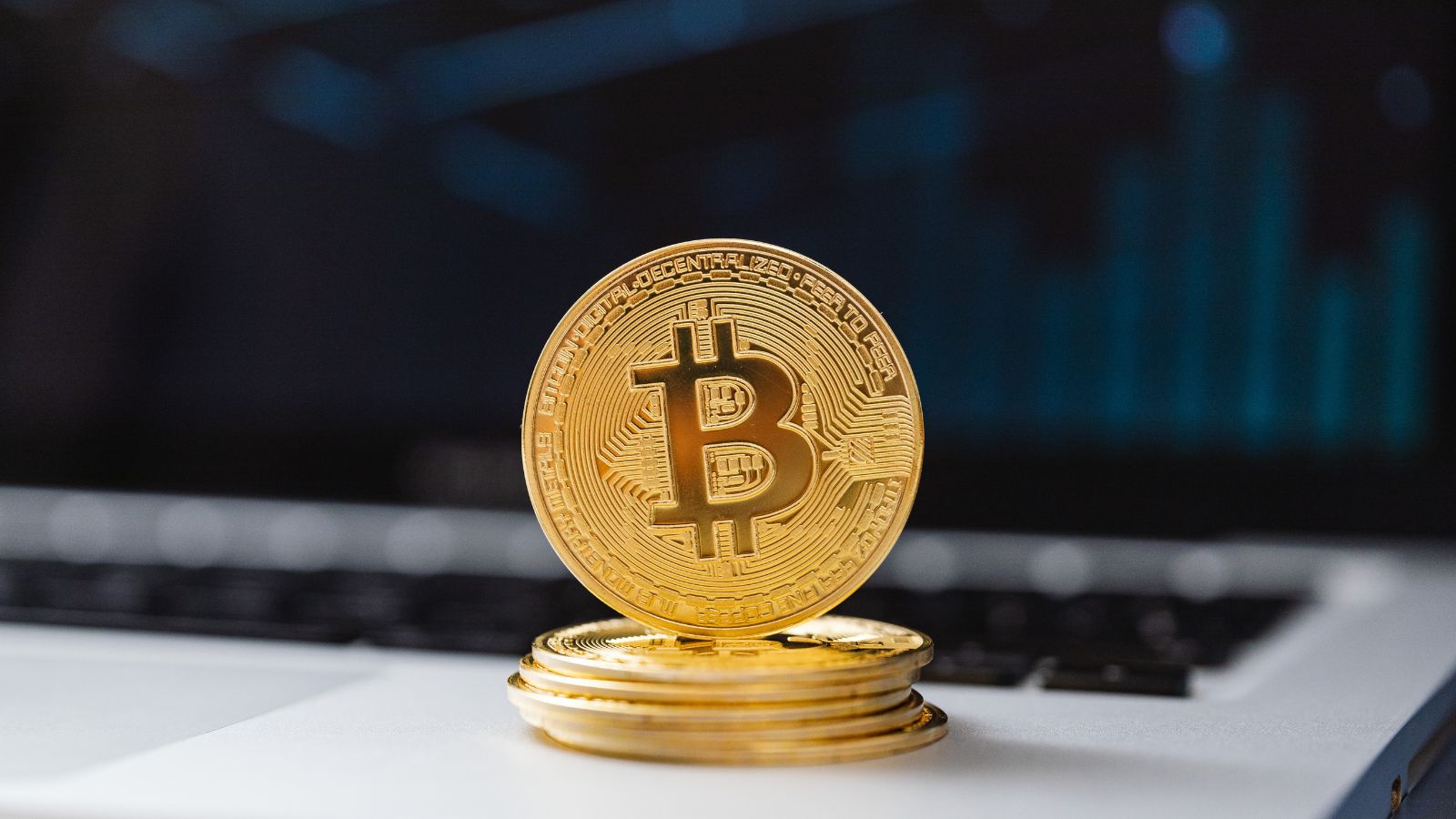
Crypto exchanges allow users to buy, sell, and swap digital assets, and when evaluating a crypto exchange such as XBO.com, choosing the right platform has become increasingly complex. There are now hundreds of exchanges and wallets globally, each offering different features and fee structures.
Trading fees typically range between 0.1%–0.5%. Bank transfers are often free, while card payments can add fees of around 3%.
However, the market has moved beyond simple trading. Users increasingly demand platforms that combine trading, rewards, and financial utilities into one seamless experience. This shift has driven the rise of all-in-one crypto platforms.
Security remains essential. Leading exchanges store up to 80–90% of user funds in cold storage and require two-factor authentication. Strong customer support and regulatory compliance further influence platform choice.
Why All-in-One Platforms are Growing
The finance app market has evolved from specialized services to integrated ecosystems. Crypto users now prefer bundled platforms instead of juggling multiple accounts.
Convenience has become a key adoption driver. According to industry research from a16z Crypto’s State of Crypto Report, millions of users engage with crypto apps annually, with mobile-first access becoming the norm.
Users gravitate toward platforms that allow them to:
- Manage multiple assets in one account
- Trade spot and derivatives seamlessly
- Track exposure across markets
- Move capital without transferring between exchanges
Examples of Integrated Platforms
Several major players demonstrate this model:
- Kraken offers spot, margin, and derivatives trading under one interface and operates Kraken Pro for advanced traders.
- Gemini provides crypto rewards credit cards with up to 3% back in digital assets.
- Uniswap represents the decentralized model, enabling non-custodial trading via automated market makers.
The consumer crypto app market is projected to grow steadily through 2026, reflecting strong demand for integrated solutions.
Core Features of All-in-One Crypto
Platforms
- Unified Spot and Derivatives Trading
Platforms like Bybit offer Unified Trading Accounts that combine spot, futures, and options trading in one interface, reducing capital fragmentation.
- Integrated Wallets and Cold Storage
Secure wallets are foundational. Hardware providers like Ledger support secure storage of thousands of assets, while exchanges combine hot and cold wallet systems for operational efficiency and protection.
- Staking, Lending, and Yield
Users can earn passive income via:
- Staking
- Lending via DeFi protocols such as Aave
- Yield farming through liquidity pools
These features expand platforms beyond simple trading venues.
- Fiat On- and Off-Ramps
Smooth conversion between fiat and crypto remains critical. Integrated bank transfers and card systems reduce onboarding friction and support mainstream adoption.
- Mobile-First Experience
Modern platforms prioritize responsive design and real-time alerts, allowing users to monitor markets and execute trades anywhere.
Centralized vs. Decentralized Platforms
- Custodial vs Non-Custodial
Centralized exchanges (CEXs) hold private keys on behalf of users. Decentralized exchanges (DEXs), such as Uniswap, allow users to retain control of their wallets.

- Liquidity and Slippage
CEXs typically offer deeper liquidity and tighter spreads through order books. DEXs rely on automated market makers (AMMs), where slippage increases with trade size relative to pool liquidity.
- KYC and Privacy
CEXs require identity verification under AML laws. DEXs operate without mandatory KYC, offering greater privacy but facing regulatory scrutiny.
Security, Regulation, and Trust
Security mechanisms now include:
- Two-factor authentication (2FA)
- Withdrawal whitelisting
- Proof of Reserves (PoR) audits
- Insurance funds for liquidation coverage
In Europe, platforms must comply with Financial Conduct Authority registration requirements and the EU’s Markets in Crypto-Assets Regulation (MiCA), fully applicable since December 2024 (European Commission MiCA Overview:
https://finance.ec.europa.eu/digital-finance/markets-crypto-assets-mica_en).These frameworks enhance user confidence and institutional participation.
Web3 Governance Perspective
Beyond centralized models, a new governance layer is emerging in Web3.
- DAO-Governed Exchanges
Some decentralized exchanges operate under DAO (Decentralized Autonomous Organization) governance. For example, Uniswap token holders vote on protocol upgrades and fee structures, shifting decision-making from corporate boards to community governance.
- Open Liquidity Protocols
Open liquidity protocols allow anyone to provide liquidity and earn fees without centralized approval. This permissionless model contrasts with closed, corporate liquidity systems.
- On-Chain Transparency vs Corporate Custodians
Decentralized platforms provide on-chain transparency, transactions, liquidity, and reserves are publicly verifiable on blockchain explorers. In contrast, centralized exchanges act as corporate custodians, requiring users to trust internal accounting systems, even when Proof of Reserves is published.
This governance divergence highlights a fundamental shift: crypto platforms are not just financial services; they are evolving into programmable, community-governed financial infrastructures.
Conclusion
All-in-one crypto platforms are reshaping digital finance by combining trading, rewards, and utility into unified ecosystems. Users prioritize convenience, integrated services, and security driving the adoption of comprehensive platforms over single-purpose exchanges.
At the same time, the market now offers two parallel models:
- Centralized platforms with deep liquidity, regulation, and user-friendly design
- Decentralized, DAO-driven systems emphasizing transparency and self-custody
As crypto adoption accelerates, platforms that balance security, usability, regulation, and governance innovation will define the next phase of digital asset growth.